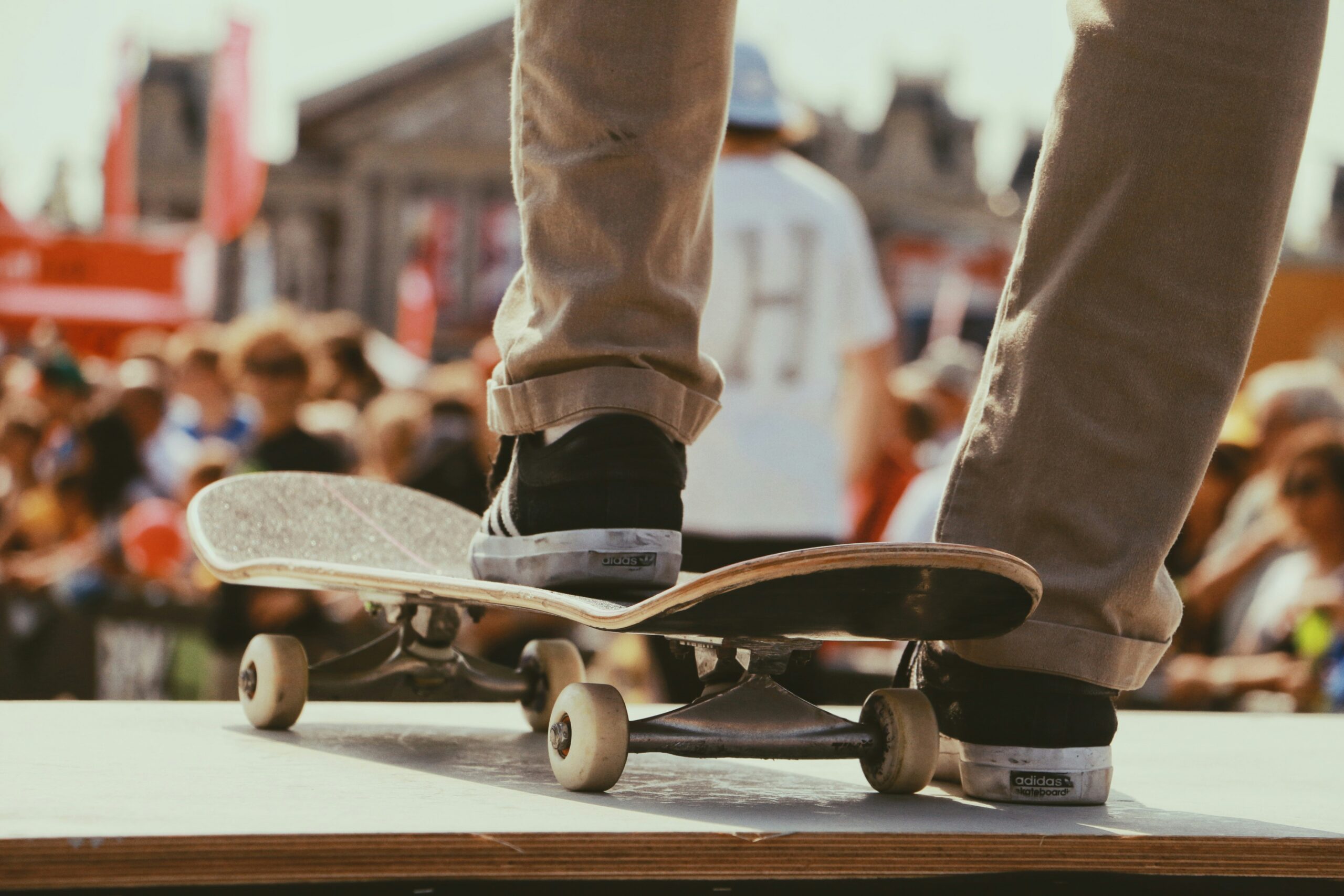
A casual visit to a skating facility can become the beginning of a much longer relationship. People may first arrive for recreation, a sports league, or a special event, but they often return because the experience feels welcoming, organized, and enjoyable. The Inline Skating Club of America has served North Jersey since 1995 through leagues, events, and recreation programs that create repeated opportunities for participation.
Long-term involvement develops when people feel connected to both the activity and the community around it. Denis Jelcic has served as General Manager since 1999, supporting the consistency that has helped the organization remain part of local recreation. Turning occasional visitors into lifelong participants depends on making each experience meaningful enough to inspire another visit.
Making the First Experience Feel Welcoming
A first visit can shape how someone views a skating club. New participants may feel uncertain about the environment, the people, or how activities are organized. Clear communication and a comfortable atmosphere can help reduce that uncertainty.
When visitors feel welcome, they can focus on enjoying the activity instead of worrying about fitting in. A positive introduction also makes it easier for them to imagine returning for another event, league, or recreation program.
Giving People Reasons to Return
A single enjoyable experience may create interest, but repeated participation builds stronger engagement. Recreation facilities need consistent programs that encourage people to return rather than treating every visit as an isolated activity.
Sports leagues, events, and other programs create different reasons to come back. Each return visit gives participants another chance to become familiar with the facility, meet others, and develop a stronger connection to the organization.
Building Familiarity Through Regular Programs
Familiarity can make a recreation facility feel more comfortable over time. Participants begin recognizing staff, teammates, families, and other regular visitors as they continue taking part in activities.
That repeated exposure can transform a casual recreation experience into part of someone’s routine. When people know what to expect and feel comfortable in the environment, returning becomes a natural choice rather than a new decision each time.
Creating Connections Around Shared Activities
Skating and sports provide natural opportunities for people to connect. Participants share practices, games, recreational sessions, and other experiences that give them common interests and conversation.
Those relationships can become as important as the activity itself. A person may initially return because they enjoy skating, but friendships and familiar faces can provide additional motivation to stay involved for the long term.
Offering Different Ways to Participate
Not every participant wants the same level of involvement. Some people enjoy structured sports leagues, while others may prefer events or recreational activities with less commitment.
Providing different options allows people to find a level of participation that matches their interests and schedules. As their comfort grows, casual visitors may explore additional programs and gradually become more involved in the club community.
Keeping Programs Reliable and Organized
People are more likely to return when activities run smoothly. Reliable schedules, clear communication, and organized programs show participants that the facility values their time and experience.
Consistency also builds trust. When people know they can expect dependable recreation each time they visit, they become more comfortable making the club part of their routine. That trust supports stronger long-term participation.
Helping Families Feel Connected
Community recreation often involves more than the person actively skating or playing. Parents, siblings, and friends may spend time at the facility while attending games, programs, or events.
These shared experiences can strengthen family connections to the organization. When several members of a household feel comfortable at the facility, participation can become part of family life rather than an activity that belongs to only one person.
Letting Participation Grow Naturally
Not every casual visitor will immediately want a long-term commitment. Trying to push people into deeper involvement too quickly can make recreation feel demanding rather than enjoyable.
A better approach allows relationships with the club to develop naturally. Someone may begin with an occasional event, later join a league, and eventually become a regular participant. Giving people space to choose their own path can create more genuine loyalty.
Preserving Enjoyment as Involvement Increases
Long-term participation should continue to feel rewarding. Organized programs and regular commitments can add structure, but recreation should still provide enjoyment, connection, and positive experiences.
When participants continue finding value in the activity, they have stronger reasons to remain involved. The goal is not simply to increase attendance but to create an environment where people want to keep returning over many years.
Turning Participation Into Community Loyalty
Lifelong participation often develops when people begin identifying with the community around a recreation facility. Shared experiences, familiar routines, and personal relationships can make the club feel like more than a place to exercise.
That sense of belonging can create loyalty that lasts even as individual programs change. Participants may continue returning because the organization has become connected to friendships, memories, and meaningful parts of their recreational lives.
Supporting Long-Term Engagement Across Generations
A longstanding recreation facility may serve people at different stages of life. New visitors arrive while longtime participants continue returning, creating opportunities for different generations to share the same space.
This continuity gives the organization a broader community role. Each generation can create its own experiences while contributing to the same ongoing tradition. Over time, that shared history strengthens the connection between the facility and the people it serves.
From Casual Visit to Lasting Commitment
The Inline Skating Club of America’s history since 1995 shows how consistent recreation can create long-term relationships. Sports leagues, events, and programs give people many entry points, while familiarity and community connections provide reasons to remain involved.
Turning casual skaters into lifelong participants does not depend on one program or promotion. It comes from welcoming experiences, dependable activities, meaningful relationships, and the freedom to become involved at a comfortable pace. When a skating club provides those qualities consistently, occasional visits can gradually grow into lasting participation.