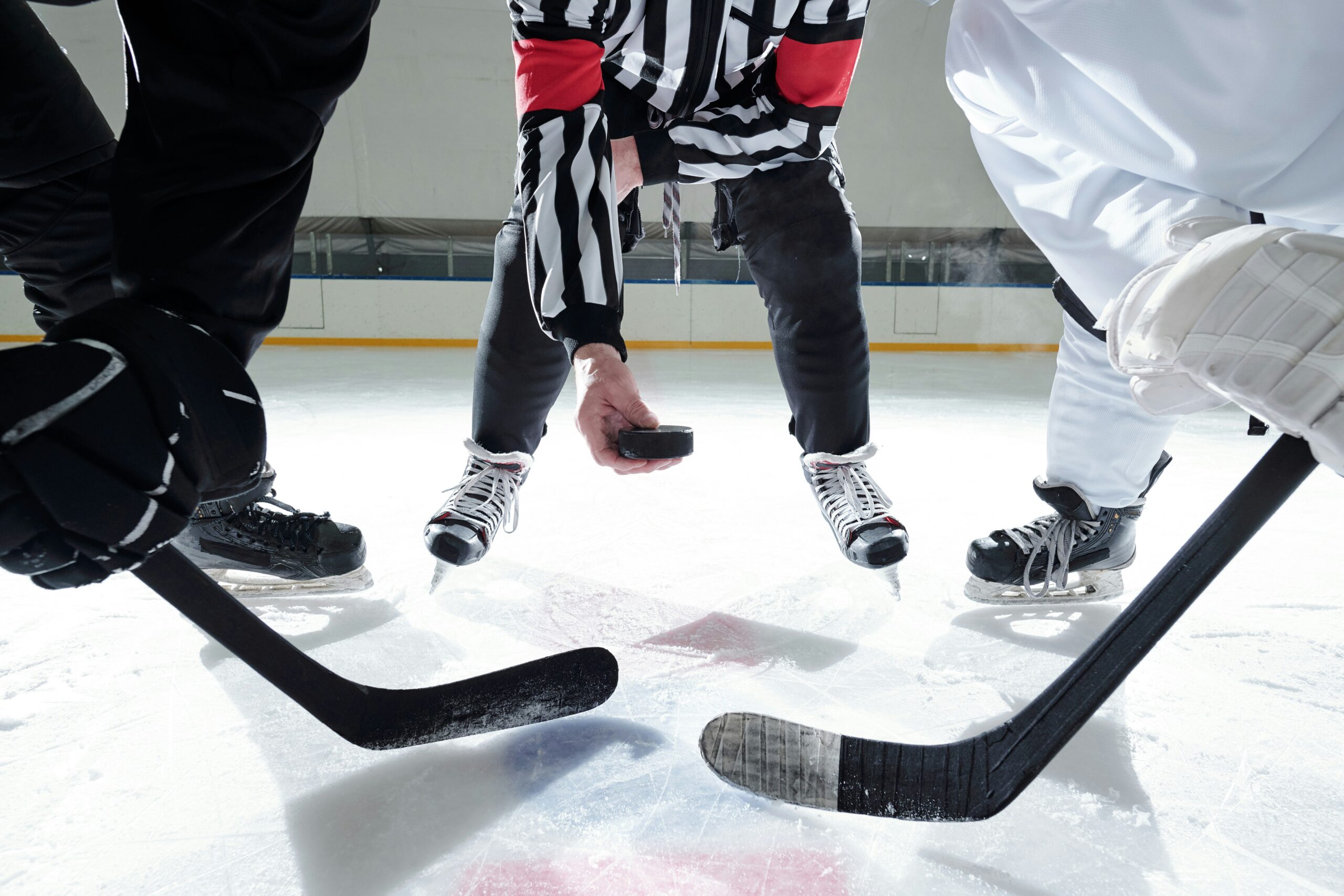
Joining an inline roller hockey league can feel very different from casual practice. League games move quickly, teammates rely on each other, and players must make decisions while opponents apply pressure. Therefore, beginners should focus on dependable fundamentals instead of advanced moves. Strong skating, simple passing, basic puck control, positioning, and communication can help a new player adjust more comfortably. Understanding how shifts and substitutions work also reduces confusion once the game begins.
Build Reliable Skating Skills
Comfort on inline skates gives beginners a strong foundation for every other hockey skill. Players should practice starting, stopping, turning, changing direction, and controlling speed before entering league competition; in addition, they should keep their heads up. At the same time, skating allows players to see teammates, defenders, and open areas instead of constantly watching their feet.
Efficient movement also helps players conserve energy during a game. Rather than skating at maximum speed throughout every shift, beginners should learn when to accelerate and when to glide into position. As a result, they can react more effectively when possession changes while avoiding unnecessary fatigue.
Keep Puck Control Simple
New players often believe they need complicated stickhandling skills to contribute, but simple control usually works better. Beginners should practice keeping the puck close while moving and protecting it when defenders approach. Over time, they can become comfortable handling the puck without looking down for long periods.
Passing also reduces the pressure of maintaining possession alone. A short, accurate pass to an open teammate can create more value than trying to beat several defenders. Therefore, beginners should practice receiving and releasing the puck quickly. This habit can help the team maintain possession while allowing new players to build confidence.
Understand Basic Positioning
Positioning helps players contribute even when they do not have the puck. Beginners should learn where to move when their team attacks and where to recover when opponents gain possession. Instead of following the puck everywhere, players should create useful spacing and remain available as passing options.
Defensive awareness matters as much. When possession changes, players should react quickly and recognize which areas or opponents require attention. In addition, watching experienced teammates can teach beginners how team structure changes throughout a game. With practice, positioning gradually becomes more natural.
Learn How League Shifts Work
Roller hockey usually involves frequent substitutions because players perform better when they maintain their energy. Beginners should learn how long their team generally expects shifts to last and how players signal when they need a change. Staying out too long can lead to slower skating and poor decisions.
Smooth substitutions also require awareness. Players leaving the rink should communicate clearly, while incoming teammates should follow the league’s procedures for entering play. Meanwhile, new players can watch experienced teammates to understand the rhythm of changes. Once this process becomes familiar, league play feels much more organized.
Prepare Your Equipment Carefully
Good preparation begins before players arrive at the rink. Beginners should inspect their inline skates, wheels, helmet, gloves, protective equipment, and stick. Because individual leagues may have different equipment requirements, players should also confirm the rules before their first game.
Small equipment problems can become major distractions during competition. For example, loose wheels or uncomfortable protective gear can affect confidence and movement. Therefore, players should organize everything in advance and bring water along with any useful replacement items. Proper preparation allows them to concentrate on the game.
Arrive Early on Game Day
First-time league players should give themselves plenty of time before the opening faceoff. Arriving early allows them to find the locker area, put on equipment, meet teammates, and learn their role. In addition, they can ask questions about positioning, substitutions, or any rules they do not understand.
Warmups provide another chance to become comfortable. Beginners can skate, practice turns, make short passes, handle the puck, and take controlled shots. At the same time, they should notice how the rink surface affects their wheels and puck movement. This preparation can make the first shift feel less intimidating.
Make Quick and Simple Decisions
League play often gives players less time with the puck than practice does. Opponents may apply pressure immediately, so beginners should look around before receiving a pass whenever possible. By identifying an open teammate or available skating lane early, they can react more confidently.
Simple choices usually produce better results during early games. Passing the puck, moving away from pressure, or returning quickly to defense can help the team more than forcing a difficult individual play. As players gain experience, however, they will recognize when they have enough time and space to attempt more creative options.
Communicate With Your Teammates
Communication makes fast situations easier to manage. Beginners should call for passes, warn teammates when opponents approach, and speak clearly about defensive responsibilities. Even short calls can provide useful information when another player cannot see what is happening behind them.
Listening is equally important for new players. Coaches and experienced teammates may provide quick advice about positioning or decision-making. Therefore, beginners should stay open to feedback instead of worrying about making mistakes. Good communication can speed up the learning process and help the team stay organized.
Use Your First Games to Keep Improving
No beginner should expect a perfect first league experience. Missed passes, poor turns, positioning mistakes, and lost pucks are normal parts of learning competitive roller hockey. Instead of becoming frustrated, players should recover quickly and focus on the next play. Maintaining that mindset helps them stay involved even after an error.
After each game, beginners can identify one or two areas that need more practice. They may want to improve stopping, passing speed, defensive positioning, communication, or puck control. With consistent practice and regular league experience, these skills will gradually become more comfortable. Ultimately, preparation, patience, and dependable fundamentals can turn a nervous first game into the beginning of a strong and enjoyable roller hockey experience.