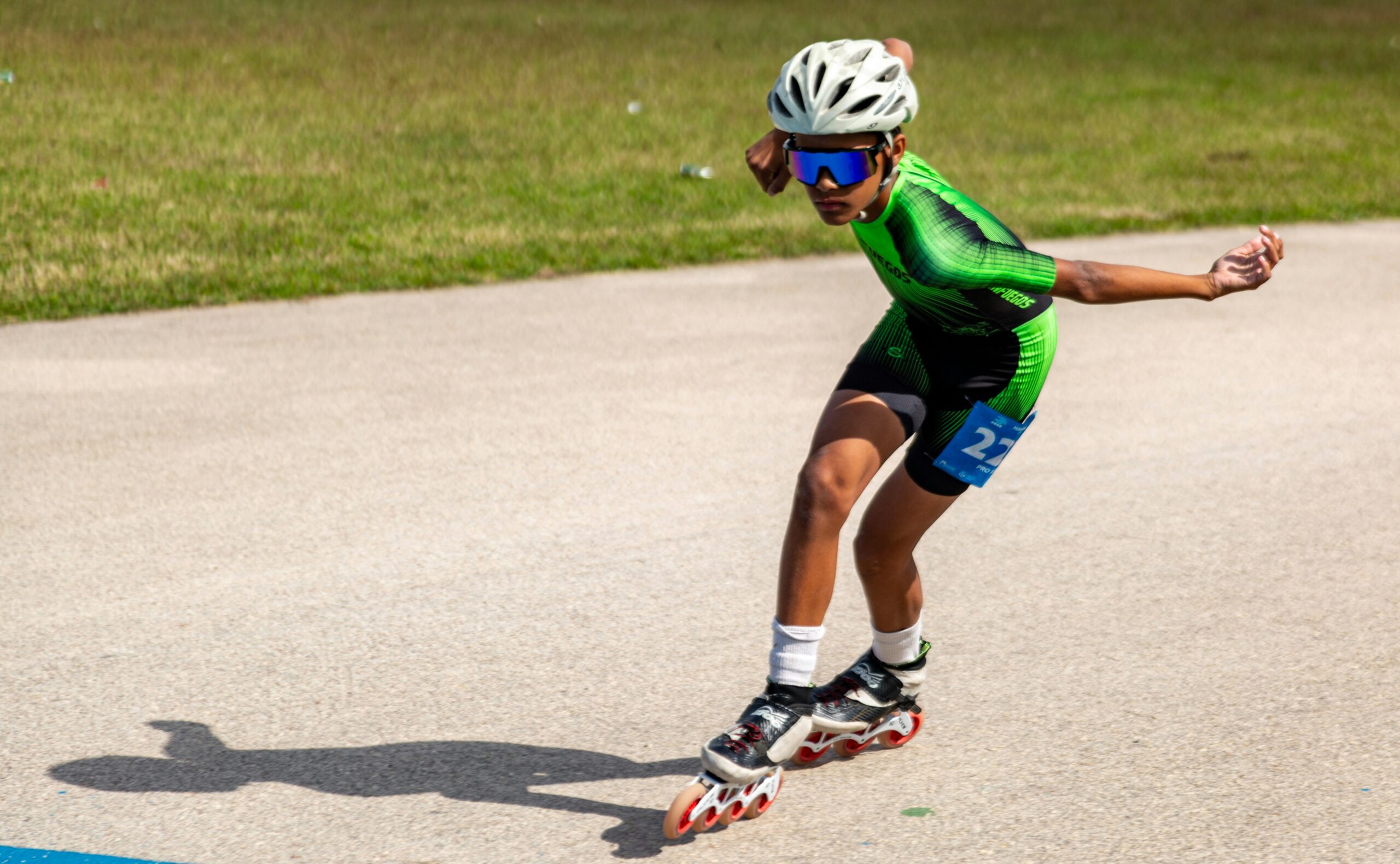
Inline skating continues to grow as both a popular fitness activity and an exciting, creative sport, attracting people of all ages. As interest in the sport expands, many skaters seek guidance that aligns with their personal goals, skill levels, and long-term aspirations. While general lessons can provide a useful introduction and help new skaters learn the basics, customized inline skating coaching offers a far more focused and effective path toward improvement.
By tailoring instruction to individual needs, professional coaches can help skaters overcome challenges more efficiently while supporting continuous skill development and building on their natural strengths. Skaters of all ages and experience levels benefit from coaching that adapts to their pace, learning style, strengths, weaknesses, and unique skating objectives, creating a more rewarding and successful learning experience.
Tailored Learning Builds Stronger Foundations
Customized coaching allows instructors to design lessons that match each skater’s current ability level and personal learning needs. Instead of following a fixed training routine that may not suit everyone, coaches observe movement patterns, skill levels, and comfort zones before adjusting techniques accordingly.
At the same time, personalized feedback helps skaters identify and correct mistakes before they become long-term habits. When a coach focuses on specific weaknesses and areas for improvement, progress becomes faster, smoother, and more consistent. Therefore, a strong technical foundation develops naturally, providing the stability needed to learn more advanced skills and techniques in the future.
Faster Skill Development Through Focused Practice
When training sessions target specific goals and objectives, progress tends to accelerate significantly. Customized inline skating coaching removes unnecessary drills that may not contribute to a skater’s development and replaces them with exercises designed to improve performance directly.
In addition, focused practice keeps motivation levels high throughout the learning process. Skaters can clearly see improvements in areas that matter most to them, whether those goals involve increasing speed, mastering tricks, improving endurance, or enhancing overall technique. As a result, learning feels more rewarding, engaging, and enjoyable over the long term.
Confidence Grows With Personalized Support
Confidence plays a major role in skating success, and personalized coaching creates a supportive environment where skaters feel comfortable learning, making mistakes, and taking calculated risks. Coaches guide learners step by step through new challenges, which reduces fear, builds trust, and encourages steady progress.
Moreover, consistent encouragement helps skaters overcome mental barriers that might otherwise limit their performance. When individuals know their coach understands their pace, goals, and concerns, they become more willing to try new techniques and push beyond their comfort zones. Therefore, confidence grows naturally alongside skill development and overall skating ability.
Injury Prevention Through Proper Technique
Proper form and technique reduce the risk of injury, and customized coaching places a strong emphasis on safe and efficient movement patterns. Coaches carefully monitor posture, stride mechanics, turning techniques, and stopping methods to ensure that skaters move with control and confidence while minimizing unnecessary strain on the body.
Additionally, personalized sessions allow coaches to identify risky habits or technical errors at an early stage. By addressing these issues before they become serious problems, skaters can avoid many common injuries and setbacks. As a result, they enjoy a safer skating experience with greater comfort, confidence, and long-term sustainability.
Flexible Learning for Busy Lifestyles
Modern schedules often make consistent training difficult, but customized coaching can adapt to individual availability and lifestyle demands. Skaters can plan sessions around work, school, family responsibilities, or other commitments, making it easier to remain dedicated to their training goals without unnecessary stress.
Furthermore, flexible coaching programs allow lessons to evolve based on progress, availability, and changing priorities. If a skater improves quickly, training can become more challenging and advanced. On the other hand, if time becomes limited, sessions can focus on maintaining existing skills and fitness levels.
Personalized Goals Create Meaningful Progress
Every skater has different motivations and ambitions, and customized coaching aligns training plans with those specific objectives. Some individuals may focus on fitness and health benefits, while others may want to master advanced tricks, improve recreational skating skills, or prepare for competitive events.
In addition, clearly defined objectives make it easier to measure and track progress over time. When skaters understand what they are working toward and why it matters, they remain focused, motivated, and committed to improvement. Consequently, each milestone feels more meaningful, rewarding, and satisfying.
Enhanced Enjoyment Through Engaging Sessions
Enjoyment plays a major role in maintaining long-term commitment to any activity, and customized coaching helps keep skating sessions fresh, engaging, and enjoyable. Coaches can design activities, challenges, and exercises that match a skater’s interests and preferred learning style, making practice feel less repetitive and more exciting.
At the same time, engaging lessons encourage creativity and exploration. Skaters have opportunities to experiment with different styles, techniques, and movement patterns that reflect their personalities and interests. Therefore, skating becomes more than just a workout or skill-building activity. It becomes a fun and meaningful form of self-expression.
Long Term Growth and Skill Mastery
Customized coaching supports continuous improvement by adapting lessons as skaters advance and develop new abilities. As confidence and skill levels increase, coaches introduce modern techniques, challenges, and performance goals that keep learning both productive and exciting. This structured progression helps prevent stagnation and encourages consistent growth.
Moreover, long-term coaching helps build discipline, focus, and positive training habits that support ongoing improvement. Skaters learn the value of consistency, patience, and deliberate practice while developing both physical and mental resilience. As a result, they achieve higher levels of skill, satisfaction, and long-term success in their inline skating journey.