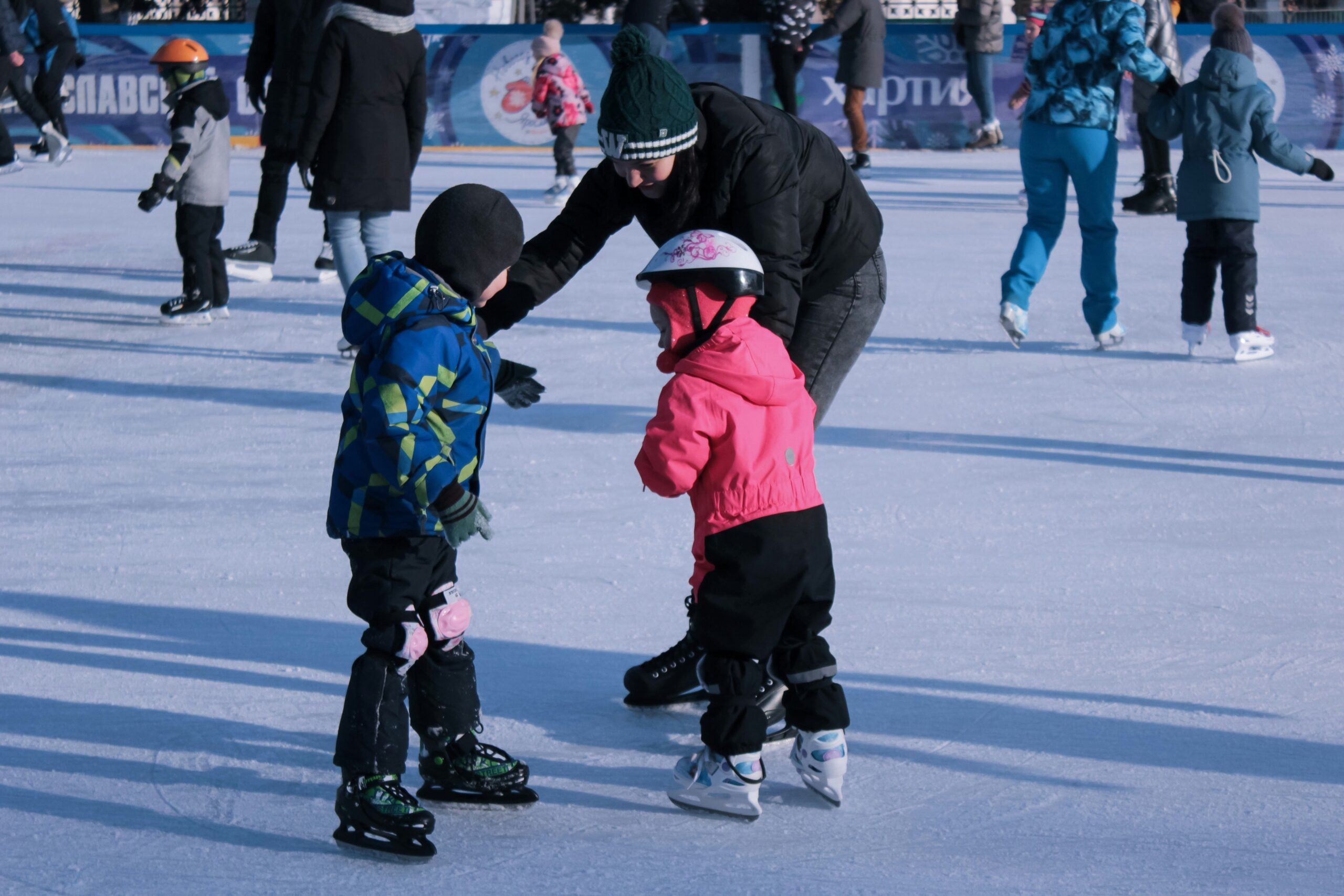
Finding an enjoyable way to keep everyone active can make weekends more meaningful, especially for busy households. Weekend skating for families combines fitness, fun, bonding, and healthy recreation in one simple activity. It can also support mental strength, confidence, focus, and emotional well-being while helping parents and children enjoy family skating activities, improve physical fitness, and build stronger relationships through quality time together.
Moreover, skating combines recreation with valuable physical and emotional benefits. Children can develop coordination, adults can stay active, and everyone can escape the usual weekend routine. Whether families choose inline skating or visit a local skating rink, the experience can create lasting memories. Therefore, making skating part of a regular weekend schedule can support both family connection and an active lifestyle.
Weekend Skating Brings Families Together
Modern families often manage busy schedules filled with work, school, appointments, and digital entertainment. Consequently, finding uninterrupted time together can become difficult. Weekend skating creates a shared environment where family members can put distractions aside and focus on enjoying each other’s company. Parents can skate alongside their children, siblings can encourage each other, and everyone can participate in the same experience.
Additionally, shared recreational activities naturally create opportunities for conversation and laughter. A child may celebrate learning a new movement while a parent offers encouragement. Meanwhile, family members can share jokes, celebrate small achievements, and enjoy friendly races. These simple interactions strengthen emotional connections and help family members build positive memories around physical activity.
Skating Provides an Enjoyable Full-Body Workout
Although skating feels like entertainment, it can provide an effective workout for the entire body. Skaters constantly use their legs, hips, core, and supporting muscles to maintain balance and control movement. As a result, regular skating can help improve strength, stamina, flexibility, and coordination without making exercise feel repetitive or boring.
Furthermore, skating can increase the heart rate and support cardiovascular fitness. Families can control the intensity by adjusting their speed and skating duration. Beginners may move slowly while experienced skaters can maintain a faster pace. Therefore, family skating activities can accommodate different fitness levels while encouraging everyone to become more physically active during the weekend.
Children Can Build Balance, Coordination, and Confidence
Weekend skating can provide children with an enjoyable environment for developing important physical skills. At first, young skaters may need time to understand proper posture, balance, stopping, and forward movement. However, consistent practice can gradually improve their coordination and body awareness. These abilities may also support confidence in other sports and everyday physical activities.
More importantly, skating teaches children that improvement often requires patience and practice. A child who initially struggles to stay balanced may eventually skate confidently around the rink. Consequently, each small achievement can strengthen self-confidence and motivation. Parents can support this growth by celebrating progress rather than demanding perfection, creating a positive learning experience that children can enjoy.
Adults Can Reduce Stress Through Active Recreation
Parents often spend much of the week managing professional responsibilities, household tasks, financial concerns, and family schedules. Therefore, weekends provide an important opportunity to reduce stress and recharge. Skating combines physical movement with entertainment, which can help adults temporarily shift their attention away from daily responsibilities and focus on the present experience.
In addition, enjoyable physical activity may support mental clarity and a more positive mood. Instead of spending the entire weekend sitting indoors, adults can move their bodies while enjoying music, conversation, and family interaction. As a result, weekend skating can become a refreshing form of active recreation that supports both physical fitness and emotional well-being.
Skating Encourages Less Screen Time
Phones, tablets, gaming systems, televisions, and computers now occupy a major part of daily life. Although technology provides valuable entertainment and education, excessive screen time can reduce opportunities for physical activity and face-to-face interaction. Weekend skating gives families a practical reason to leave their screens behind and participate in something more active.
Furthermore, children may respond better to enjoyable alternatives than strict restrictions. Instead of simply telling children to spend less time on devices, parents can introduce an activity that naturally captures their attention. When children associate exercise with excitement, music, movement, and family fun, they may become more interested in maintaining an active and healthy lifestyle over time.
Every Family Member Can Progress at a Comfortable Pace
One major advantage of skating is its flexibility. Family members do not need equal skill levels to enjoy the same session. Beginners can practice balance near the side of the rink while more experienced skaters can work on speed, turns, or smoother movements. Therefore, everyone can set personal goals while remaining part of the same family activity.
Similarly, parents do not need to pressure children into progressing quickly. Some young skaters may feel comfortable almost immediately, while others may need several sessions to develop confidence. Encouragement, patience, and appropriate safety equipment can make the learning process more comfortable. Over time, families may even notice that helping each other improve strengthens teamwork and communication skills.
Weekend Skating Can Become a Positive Family Tradition
Families often remember traditions more clearly than ordinary days. Regular skating sessions can become one of those meaningful traditions, whether they happen every weekend or several times each month. Children may begin looking forward to rink visits, favorite music, friendly challenges, or a special meal afterward. Consequently, the activity can become connected with positive childhood memories.
Moreover, traditions provide consistency in busy family schedules. Setting aside dedicated time for weekend skating signals that spending time together remains important despite other responsibilities. Even when children grow older, memories of shared skating sessions can remain meaningful. Therefore, creating a simple recreational tradition can contribute to stronger relationships and long-term family connection.
Skating Offers an Affordable Way to Stay Active Together
Many family entertainment options can become expensive, especially when families need tickets, food, transportation, and additional purchases. In comparison, skating can offer accessible entertainment, particularly when families own their skates or choose reasonably priced local sessions. The experience can provide several hours of activity without requiring an elaborate trip or complicated schedule.
Additionally, families can explore different skating environments depending on weather, preferences, and available facilities. Indoor rinks provide controlled conditions, while suitable outdoor areas can offer fresh air and changing scenery. Because families can adapt the activity to different situations, skating can remain an accessible recreational option throughout much of the year.
Make Weekend Skating Part of a Healthier Family Lifestyle
Ultimately, weekend skating for families offers much more than a few hours of entertainment. It combines cardiovascular exercise, coordination training, stress relief, social interaction, and quality family time in one enjoyable activity. Moreover, children and adults can participate together while adjusting the experience to match their individual abilities and fitness levels.
Most importantly, families do not need perfect skating skills to benefit from the experience. They simply need a willingness to move, learn, laugh, and spend meaningful time together. By making weekend skating a regular part of family life, parents can encourage physical activity, improve family connections, support mental well-being, and create positive memories that may last for years.