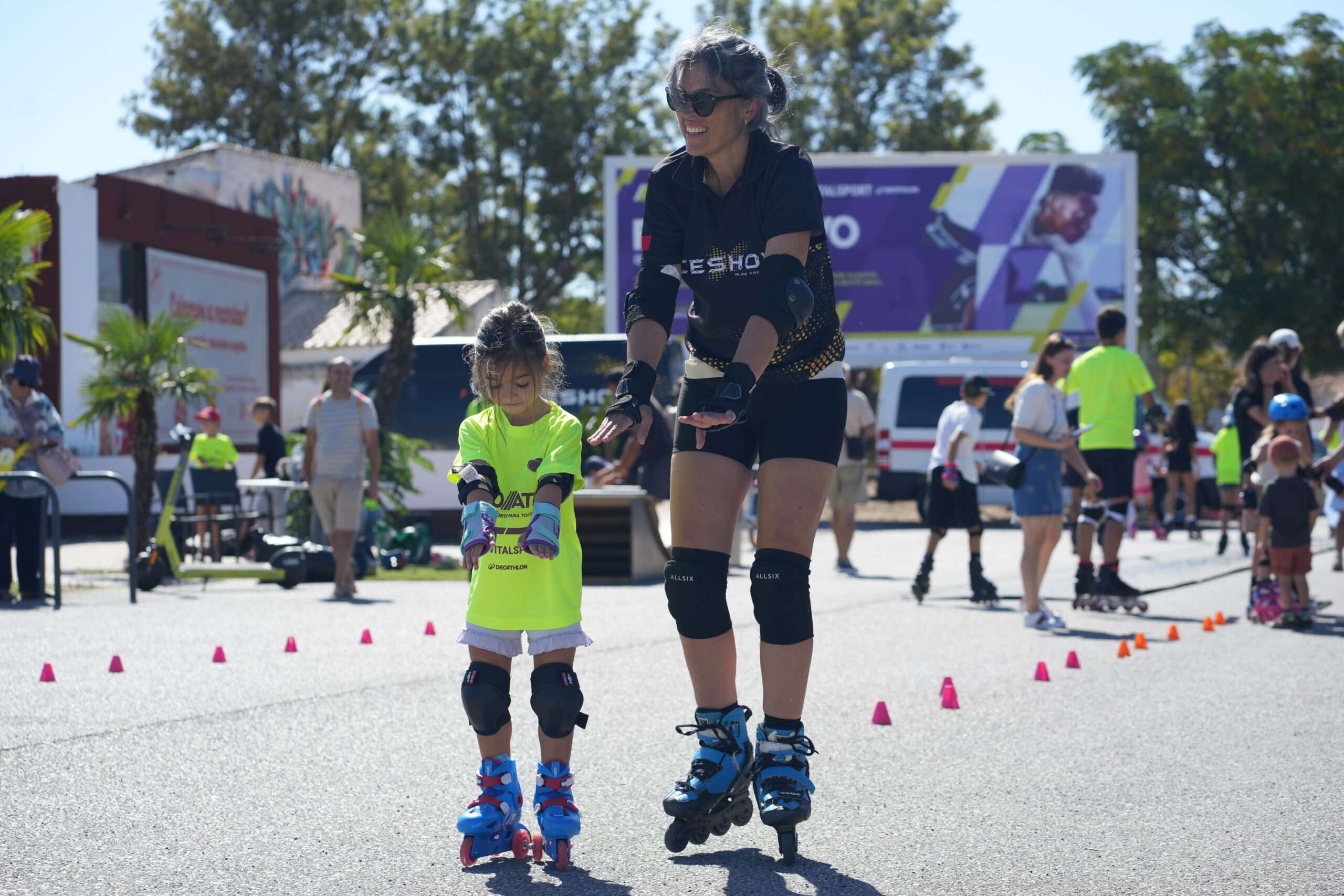
Learning to skate is a personal journey. Every skater begins with different strengths, goals, and challenges. Some people step onto the rink for the first time with excitement and a little fear. Others already have experience but want to sharpen their techniques. Because every person learns differently, a single teaching method rarely delivers the best results. Personalized skate coaching solves this challenge by creating lessons that fit the individual instead of expecting everyone to follow the same path.
A coach who understands each student’s abilities can adjust every practice session to match current skills and future goals. This approach keeps learning comfortable without becoming too easy. At the same time, it prevents skaters from feeling overwhelmed by lessons that move too quickly. As confidence grows, each new skill builds naturally on the one before it, making improvement steady and rewarding.
Building Confidence Through Individual Attention
Confidence plays a major role in skating success. Many beginners hesitate because they worry about falling or making mistakes. Personalized coaching helps remove those fears by creating a supportive learning environment. Coaches explain each movement clearly and encourage skaters to practice until they feel comfortable. This patient guidance helps students build trust in their own abilities.
Individual attention also helps coaches recognize emotional barriers that may slow progress. Some skaters need extra encouragement before trying a new skill, while others need reassurance that mistakes are part of learning. By offering positive feedback throughout every lesson, coaches help students replace fear with confidence. As a result, skaters become more willing to challenge themselves and continue improving.
Lessons That Match Personal Goals
Every skater has a unique reason for stepping onto the ice or skating surface. Some want to enjoy a fun hobby with friends and family. Others dream of competing or performing at a higher level. Personalized coaching keeps those personal goals at the center of every lesson. Instead of following a fixed program, coaches design training around what matters most to each student.
This customized approach keeps motivation strong because every practice feels meaningful. A recreational skater may spend more time improving balance and smooth movement, while a competitive athlete may focus on speed, control, and advanced techniques. Since every lesson supports a specific objective, students stay engaged and see measurable progress that encourages them to continue learning.
Correcting Technique Before Bad Habits Form
Proper technique creates the foundation for long-term improvement. Without guidance, many skaters unknowingly develop habits that become difficult to change later. Personalized coaching allows instructors to identify these small mistakes early and correct them before they become permanent. This early attention saves time and helps students build stronger skating skills.
Coaches carefully observe body position, balance, foot placement, and movement during every session. They provide immediate feedback and simple adjustments that make each motion more effective. Small corrections often create noticeable improvements in stability, comfort, and control. As good habits become natural, skaters can perform with greater confidence and consistency.
Helping Intermediate Skaters Break Through Plateaus
Many skaters experience periods when progress seems to stop. Skills that once improved quickly may suddenly feel difficult to advance. These plateaus can become frustrating and sometimes cause students to lose motivation. Personalized coaching helps identify the reasons behind stalled progress and introduces targeted strategies that restore momentum.
An experienced coach analyzes performance to find specific areas that need attention. Sometimes a skater needs better edge control. Other times they may need stronger balance, improved timing, or greater confidence during challenging movements. By focusing on the exact issue instead of repeating general exercises, personalized coaching helps intermediate skaters move beyond obstacles and continue developing new abilities.
Advanced Skaters Continue to Refine Their Skills
Even experienced skaters benefit from personalized instruction. Reaching an advanced level does not mean learning has ended. In fact, the smallest improvements often make the biggest difference for skilled athletes. Coaches help advanced skaters refine techniques that improve precision, efficiency, and overall performance.
Personalized coaching also supports long-term development by introducing new challenges at the right pace. Coaches continue to evaluate progress and adjust training to match evolving goals. Whether preparing for competitions, performances, or personal achievements, advanced skaters receive focused instruction that helps them reach higher standards without losing confidence or enjoyment.
Personalized Feedback Creates Faster Progress
Feedback becomes much more effective when it is specific to the individual. Generic advice often leaves students wondering exactly what they should change. Personalized coaching removes this uncertainty by giving clear guidance based on each skater’s movements and performance. Students immediately understand what they are doing well and where they need improvement.
Regular feedback also creates a cycle of continuous learning. Coaches monitor progress after every adjustment and refine future lessons accordingly. This process keeps development moving forward instead of allowing mistakes to continue unnoticed. As students see positive results from each correction, they become more motivated to practice and improve.
Developing Strong Physical Skills Safely
Skating requires balance, coordination, flexibility, and body control. These physical abilities develop gradually through consistent practice and proper instruction. Personalized coaching ensures that exercises match the student’s current fitness and skating ability. This careful progression reduces unnecessary strain while helping the body adapt naturally.
Safety remains a priority throughout every lesson. Coaches teach proper techniques for stopping, turning, and recovering from small mistakes before introducing more advanced movements. This gradual progression reduces the risk of injury and builds confidence at the same time. Students learn to trust their abilities because every new challenge is introduced when they are ready.
Keeping Learning Enjoyable and Motivating
Enjoyment is one of the biggest reasons people continue skating over the long term. Personalized coaching helps maintain excitement by keeping lessons fresh and engaging. Instead of repeating the same routine every session, coaches introduce new activities that match each student’s interests and current abilities. This variety makes practice something to look forward to rather than a chore.
Motivation also increases when students clearly recognize their own improvement. Personalized coaching highlights progress that might otherwise go unnoticed. Coaches celebrate small victories while encouraging continued growth. This positive atmosphere keeps students focused on learning instead of comparing themselves with others, making skating a more rewarding experience.
Long-Term Success Comes From Personalized Growth
True skating success is not measured only by advanced tricks or competition results. It is also reflected in confidence, enjoyment, consistency, and the ability to keep improving over time. Personalized skate coaching supports all of these areas by treating every student as an individual with unique strengths and goals. This approach creates a stronger foundation for lifelong learning.
As skills develop, coaching continues to evolve alongside the skater. Lessons become more refined, challenges become more meaningful, and progress remains steady because training always reflects current abilities. Whether someone is stepping onto the rink for the very first time or refining advanced techniques after years of experience, personalized skate coaching provides the guidance needed to reach new levels of confidence, performance, and satisfaction. Every lesson becomes an opportunity to learn more effectively, enjoy the process, and build skills that last for years to come.