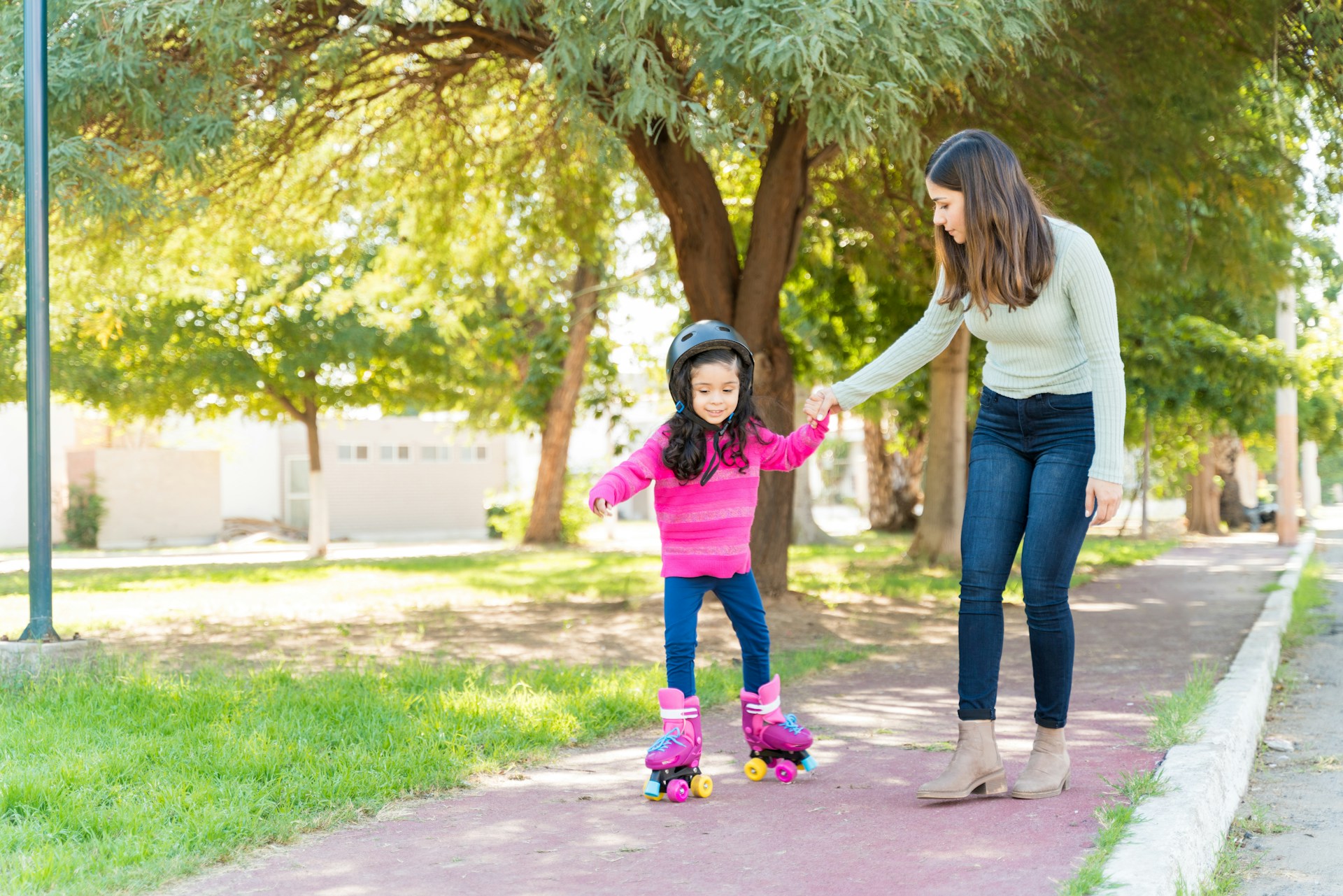
Every parent wants to help their child enjoy activities that support growth, confidence, and healthy habits. Skating offers all of these benefits while giving children an exciting way to stay active. However, choosing the right program can feel overwhelming because every rink promotes different classes, teaching styles, and skill levels. Fortunately, when you know what to look for, the process becomes much easier. A quality youth skating class program helps children learn safely, enjoy steady progress, and develop a lifelong love for skating.
Understanding Your Child’s Goals and Personality
Every child begins with different interests and abilities. Some children simply want to have fun with friends, while others dream about figure skating, hockey, speed skating, or competitive events. Therefore, parents should first understand what motivates their child before selecting a program.
Age also plays an important role. Younger children often benefit from playful instruction that builds balance and confidence through simple activities. Older beginners may enjoy more structured lessons that focus on technique. Meanwhile, children with previous skating experience usually need classes that challenge their growing skills without creating frustration.
Looking Beyond Advertising and First Impressions
Many skating schools promote beautiful facilities and exciting programs. Although these features matter, they should never become the only reason for choosing a class. Instead, parents should pay close attention to what happens during actual lessons.
Visit the rink whenever possible and watch a class in action. Notice how instructors communicate with children. Good coaches encourage every student, celebrate progress, and correct mistakes with patience. At the same time, they keep lessons organized and maintain a positive atmosphere where children feel comfortable asking questions and trying new skills.
Evaluating Safety Standards and Learning Environment
Safety should always come before convenience or price. A well-managed skating program creates an environment where children can learn while minimizing unnecessary risks. Consequently, parents should observe how instructors supervise students during every part of the lesson.
Look for clean ice surfaces, organized equipment areas, and clear safety rules. In addition, instructors should divide students by age and ability instead of placing everyone together. Smaller class sizes also allow coaches to provide better supervision and more personal instruction. When children receive individual attention, they often improve faster and build confidence with each session.
Choosing Coaches Who Inspire Long-Term Growth
The best instructor does more than teach skating skills. Great coaches encourage responsibility, resilience, and respect while helping children overcome challenges. As children improve, they often remember supportive coaches long after they forget individual lessons.
Parents should also ask about instructor certifications, coaching experience, and continuing education. Qualified professionals understand child development as well as skating technique. Furthermore, experienced coaches know how to adjust lessons for nervous beginners, energetic learners, and children who progress at different speeds.
Comparing Lesson Structure and Skill Progression
A strong skating program follows a clear learning path instead of teaching random skills each week. Students should master basic movements before advancing to more difficult techniques. This gradual approach creates confidence while reducing frustration.
Many quality programs also provide regular skill evaluations. These assessments help parents understand their child’s progress while giving instructors opportunities to recommend the next level. During this stage, many families also appreciate programs that include learn-to-skate evaluations because they provide measurable goals and clear direction for future improvement.
Balancing Cost With Overall Value
Every family has a budget, yet the least expensive program does not always provide the best experience. Likewise, the most expensive class does not automatically guarantee better instruction. Instead, parents should compare everything included in the program before making a decision.
Some programs include skate rentals, practice sessions, progress reports, and family events within the registration fee. Others charge separately for each service. Therefore, understanding the complete cost helps families avoid unexpected expenses. More importantly, investing in quality instruction often saves money over time because children develop proper techniques from the beginning.
Encouraging Consistent Progress Through Family Support
Children improve most when learning continues beyond weekly lessons. Parents do not need skating experience to encourage success. Simply celebrating small achievements and maintaining a positive attitude can make a meaningful difference.
Practice also builds confidence. Even short practice sessions help children strengthen balance, coordination, and muscle memory. Furthermore, parents who attend lessons, ask questions, and communicate with instructors create a supportive partnership that benefits every young skater. As children experience steady progress, they often become more motivated to continue learning and challenging themselves.
Building a Positive Future on the Ice
Choosing the right skating program is about much more than learning how to glide across the ice. It is about helping children develop confidence, discipline, friendships, and healthy habits that can last for years. As parents carefully evaluate instructors, safety practices, lesson structure, and overall value, they create a strong foundation for long-term success. Selecting a program that emphasizes beginner skating lessons can make the first experience enjoyable while encouraging children to keep improving at their own pace.
Every child learns differently, and every family has unique priorities. Nevertheless, thoughtful research and careful observation make the decision much easier. When children feel safe, supported, and excited about learning, they naturally gain new skills while building confidence both on and off the ice. The right skating program becomes more than an extracurricular activity. Instead, it becomes a place where children discover determination, celebrate achievement, and create lasting memories with every visit to the rink.