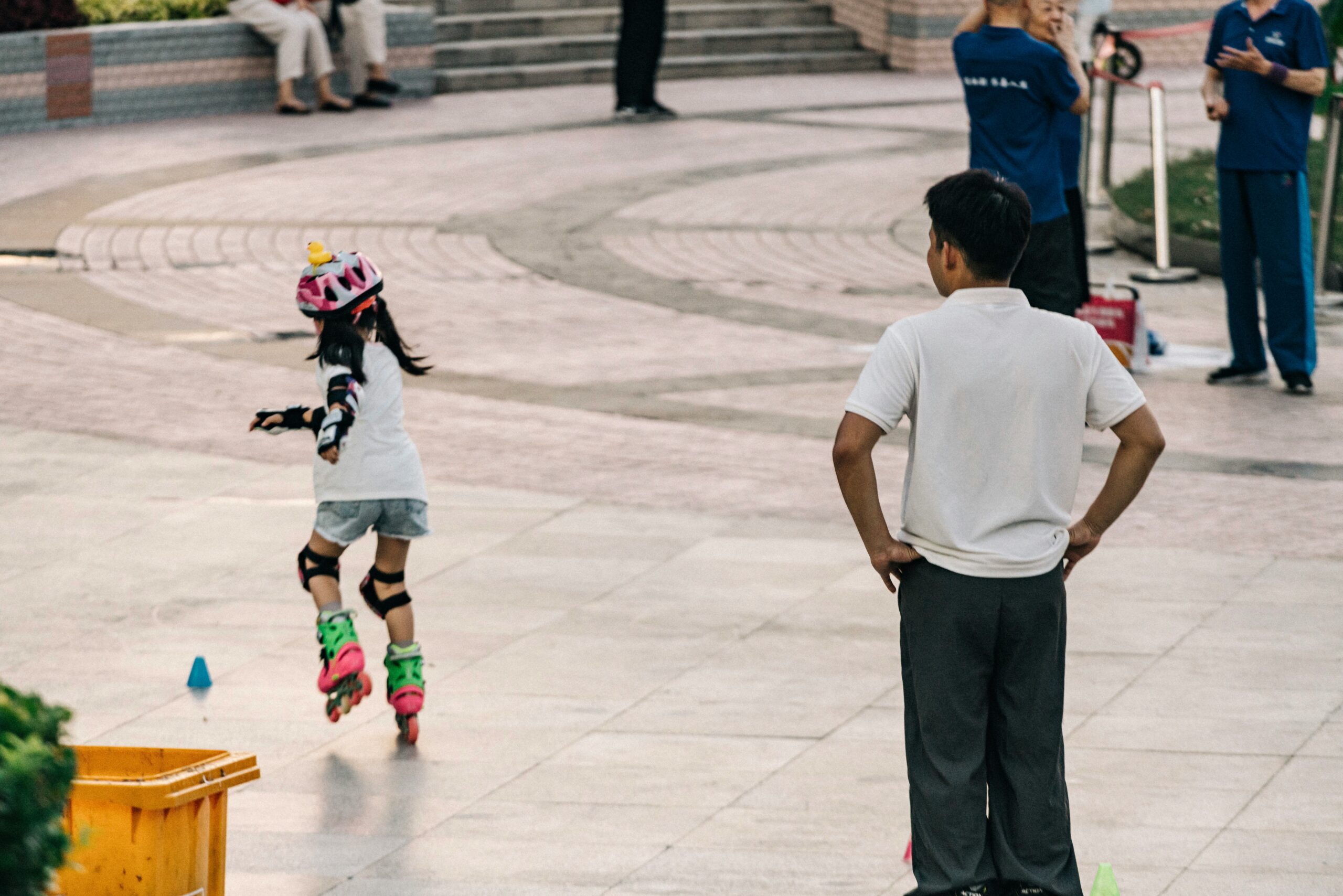
Inline skating has become more than a fun outdoor activity for kids. It now plays a meaningful role in helping children grow physically, emotionally, and socially. Parents often look for activities that build confidence, improve coordination, and encourage healthy social interaction. InAline skating checks all of these boxes while still feeling exciting and playful. Because kids enjoy the experience, they stay engaged and learn valuable life skills along the way.
As children glide forward, they develop balance, focus, and self-belief. At the same time, they connect with others who share the same interest. This combination of movement and connection makes inline skating a powerful tool for growth. Understanding how this activity supports kids can help families make informed choices about their children’s physical and social development.
Building Confidence One Skate at a Time
Confidence grows when kids face challenges and learn how to overcome them. Inline skating provides constant opportunities for small wins. At first, children may feel unsure as they learn to stand, push, and stop. However, with practice, they begin to notice improvement. Each successful glide builds belief in their abilities.
As kids gain control, they also learn that progress comes from effort. They may fall, but they know how to get back up. Because skating encourages persistence, children naturally develop resilience. Over time, that confidence carries into school, friendships, and other activities. When kids believe they can learn something new, they approach future challenges with a positive mindset.
Improving Coordination Through Active Movement
Coordination plays a major role in how kids move and interact with the world. Inline skating strengthens coordination by requiring the body and mind to work together. Kids must balance their weight, adjust their posture, and time their movements. As a result, they develop better control and body awareness.
In addition, skating improves motor skills that support other physical activities. Strong coordination helps kids run, jump, and play with more confidence. Because skating feels fun rather than repetitive, children practice these skills without pressure. This active learning style improves coordination feel natural, and is enjoyable.
Supporting Healthy Physical Development
Inline skating supports overall physical health in a way that feels playful. As kids skate, they strengthen their legs, core, and stabilizing muscles. At the same time, their heart rate increases, which supports cardiovascular health. This full-body movement helps kids stay active without structured workouts.
Moreover, skating encourages outdoor play, which benefits both physical and mental well-being. Fresh air and open spaces help kids release energy and reduce stress. Because skating feels like play, kids often stay active longer. This consistency supports healthy habits that can last well into adulthood.
Teaching Focus and Emotional Control
Learning to skate requires focus and patience. Kids must pay attention to their movements, surroundings, and speed. This focus helps them stay safe and improve their skills. Over time, children learn how concentration leads to better results.
Inline skating also teaches emotional control. Frustration can happen when progress feels slow. However, with encouragement and practice, kids learn how to manage those emotions. They discover that calm effort leads to improvement. These lessons support emotional growth and help kids handle everyday challenges.
Encouraging Social Interaction and Teamwork
Inline skating often brings kids together in group lessons, clubs, or neighborhood sessions. These shared experiences help children connect with peers. As kids skate side by side, they cheer each other on and share progress. This positive interaction builds friendships and social confidence.
In group settings, kids also learn teamwork and respect. They take turns, follow rules, and help each other. These social skills matter just as much as physical ability. Because skating creates a supportive environment, kids feel comfortable being themselves. That sense of belonging helps them build strong social connections.
Creating a Sense of Community
Community plays an important role in a child’s development. Inline skating brings families and kids together around a shared activity. Whether at a local rink, park, or event, skating creates opportunities for connection. Kids see familiar faces and feel part of something bigger than themselves.
This sense of community helps children feel valued and supported. They learn that progress feels better when shared. Parents also benefit by meeting other families with similar interests. As a result, inline skating becomes more than an activity. It becomes a positive social space that supports growth and belonging.
Building Independence and Responsibility
Inline skating encourages kids to take responsibility for their progress and safety. They learn how to put on their gear, check their skates, and follow safety rules. These small responsibilities build independence and confidence.
As kids improve, they begin to set personal goals. They may want to skate farther or master a new skill. This goal-setting teaches planning and self-motivation. Because the goals feel achievable, kids stay motivated. These habits support independence that carries into school and daily life.
Helping Kids Stay Active in a Screen-Filled World
Many parents worry about screen time and limited physical activity. Inline skating offers an exciting alternative that pulls kids away from screens. Because skating feels fun and social, children choose it willingly. This active option supports healthier routines without constant reminders.
Skating also stimulates creativity and imagination. Kids explore new paths, practice tricks, or create games on skates. This playful movement balances digital time and supports mental well-being. Over time, kids associate activity with enjoyment rather than obligation.
Adapting to Different Ages and Skill Levels
One of the strengths of inline skating is its flexibility. Kids of different ages and abilities can participate at their own pace. Beginners start with simple movements, while experienced skaters challenge themselves. This adaptability keeps kids engaged as they grow.
Because skating evolves with the child, it stays interesting over time. Kids do not outgrow the activity quickly. Instead, they continue to develop new skills and confidence. This long-term engagement supports steady growth and lasting enjoyment.
Why Parents Value Inline Skating for Development
Parents appreciate activities that support both physical and personal growth. Inline skating offers a balance of exercise, skill building, and social connection. Kids gain confidence, coordination, and community through a single activity. This efficiency matters for busy families.
In addition, skating supports positive habits without pressure. Kids learn through experience and play. Parents see improvements in confidence, focus, and social comfort. These benefits explain why inline skating continues to grow in popularity among families.
A Positive Path for Growing Kids
Inline skating supports kids in ways that go beyond movement. It builds confidence through progress, coordination through practice, and community through shared experience. Kids learn how to trust themselves, connect with others, and enjoy staying active. These lessons foster healthier, happier development.
As children skate forward, they grow stronger in body and mind. Inline skating offers a simple yet powerful way to support that journey. With the right environment and encouragement, kids gain skills that last far beyond the pavement.