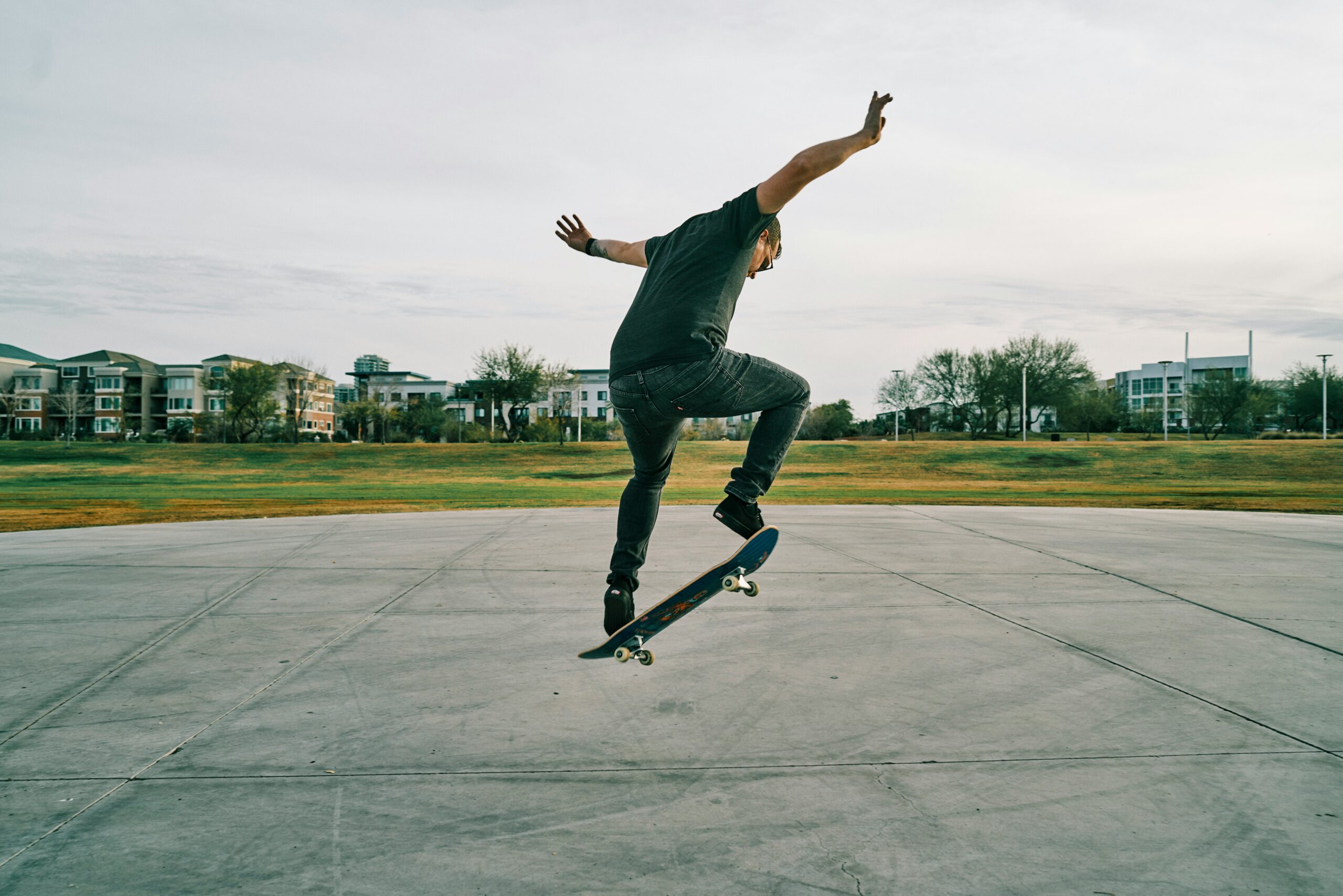
Inline skating fitness has grown into a popular way to stay active while still enjoying the outdoors. Many busy adults search for workouts that feel fun, efficient, and easy to fit into daily life. Fortunately, skating offers all of these benefits. It blends cardio movement, balance training, and muscle strength into one smooth activity.
Modern life moves fast. Work, family duties, and constant screens leave little time for long gym sessions. Because of this, people now look for workouts that deliver strong results in less time. Inline skating fitness answers those needs. It turns a simple ride into a powerful exercise session.
At the same time, skating does not feel like a typical workout. The motion feels smooth and natural. The wind, the movement, and the rhythm help many people relax. Therefore, the activity supports both physical health and mental well-being.
Moreover, skating can happen almost anywhere. Parks, bike paths, quiet streets, and waterfront trails all provide great places to glide. As a result, many adults rediscover fitness through skating because it feels more like play than work.
Why Busy Adults Choose Inline Skating Fitness
Busy schedules often push exercise to the bottom of a to-do list. However, inline skating fitness helps adults stay active without spending hours in a gym.
First, skating works several muscle groups simultaneously. The legs drive the motion while the core keeps the body balanced. Meanwhile, the arms help control direction and rhythm. Because the body moves together, the workout becomes efficient and complete.
Second, skating supports strong cardiovascular health. Continuous gliding raises the heart rate and keeps it steady. Consequently, the body burns energy while improving endurance. Many adults notice that regular skating helps them feel less tired during the day.
Another reason people choose inline skating for fitness is its low-impact nature. Running can stress joints when done often. In contrast, skating creates smooth side-to-side motion. This gentle movement reduces pressure on knees and hips. Therefore, adults who avoid high-impact workouts often find skating easier to maintain.
Finally, skating offers freedom. Instead of staring at a gym wall, skaters move through open spaces. Fresh air and changing scenery keep motivation strong. As a result, many people continue skating long after other workouts lose their appeal.
How Inline Skating Fitness Strengthens the Body
Inline skating fitness works the body in ways that many traditional workouts do not. Each push across the pavement activates muscles that support stability and power.
The legs perform most of the effort. The outer thighs, inner thighs, and glutes all work during each stride. Because the motion is lateral rather than straight ahead, these muscles receive special attention. Over time, skaters often develop stronger and more balanced legs.
The core also plays a key role. Every glide requires a steady posture. Therefore, the abdominal and lower back muscles stay active to maintain control. This natural engagement builds core strength without endless floor exercises.
Balance improves as well. When a person skates, the body constantly adjusts to small changes in motion. These adjustments train coordination and stability. Consequently, many adults notice better balance in everyday movement.
Inline skating fitness also supports joint mobility. The flowing motion encourages smooth joint movement. As a result, the body feels looser and more flexible after regular skating sessions.
Mental Benefits of Inline Skating Fitness
Exercise does more than shape the body. It also affects the mind. Inline skating fitness provides strong mental benefits that many busy adults truly value.
First, skating reduces stress. The rhythmic motion creates a calm pattern that helps the mind settle. In addition, outdoor movement exposes the brain to fresh air and natural light. Both factors support better mood and emotional balance.
Next, skating builds confidence. Learning to glide smoothly and control direction feels rewarding. With each session, skills improve. Because progress happens quickly, many adults feel proud of their achievements.
Furthermore, skating encourages focus. While gliding, attention shifts to posture, balance, and direction. As a result, the mind moves away from work pressure or daily worries. This shift creates a mental break that refreshes energy.
Many people also find joy in the sense of freedom that skating provides. Movement across open space sparks a feeling of play. Therefore, inline skating fitness reconnects adults with the fun of active motion.
Easy Ways to Start Inline Skating Fitness
Starting inline skating fitness does not require complex plans. In fact, simple steps often work best.
First, choose comfortable skates that provide strong ankle support. Good equipment improves safety and control. Next, find a smooth path such as a park trail or quiet paved area. Beginners benefit from open spaces where they can practice without traffic.
Warm up the body before skating. Gentle walking and light stretching prepare muscles for movement. Then begin with slow glides. Focus on balance and posture rather than speed.
Gradually increase the time spent skating. As endurance grows, the body adapts to longer sessions. Eventually, many skaters build a steady rhythm that feels natural and enjoyable.
Safety gear also matters. A helmet, wrist guards, and knee pads protect against minor falls. Because confidence grows when safety improves, beginners often progress faster.
Building a Consistent Skating Routine
Consistency transforms inline skating fitness from a hobby into a powerful health habit. However, busy adults often struggle to maintain a regular workout routine. Fortunately, skating fits easily into daily routines.
Many people skate early in the morning before work begins. Others enjoy evening rides that help release stress after a long day. Since skating requires minimal setup, it’s easier to start than many gym activities.
Short sessions can still provide meaningful results. Even a brief glide around a neighborhood path encourages movement and boosts energy. Over time, these small efforts combine to build strong fitness gains.
Setting simple goals also helps maintain motivation. Some skaters aim to explore new paths. Others focus on improving balance or glide technique. Because goals add direction, progress becomes more satisfying.
Skating with friends or family strengthens commitment. Shared activity creates encouragement and fun conversation. Therefore, group skating often helps adults stay consistent.