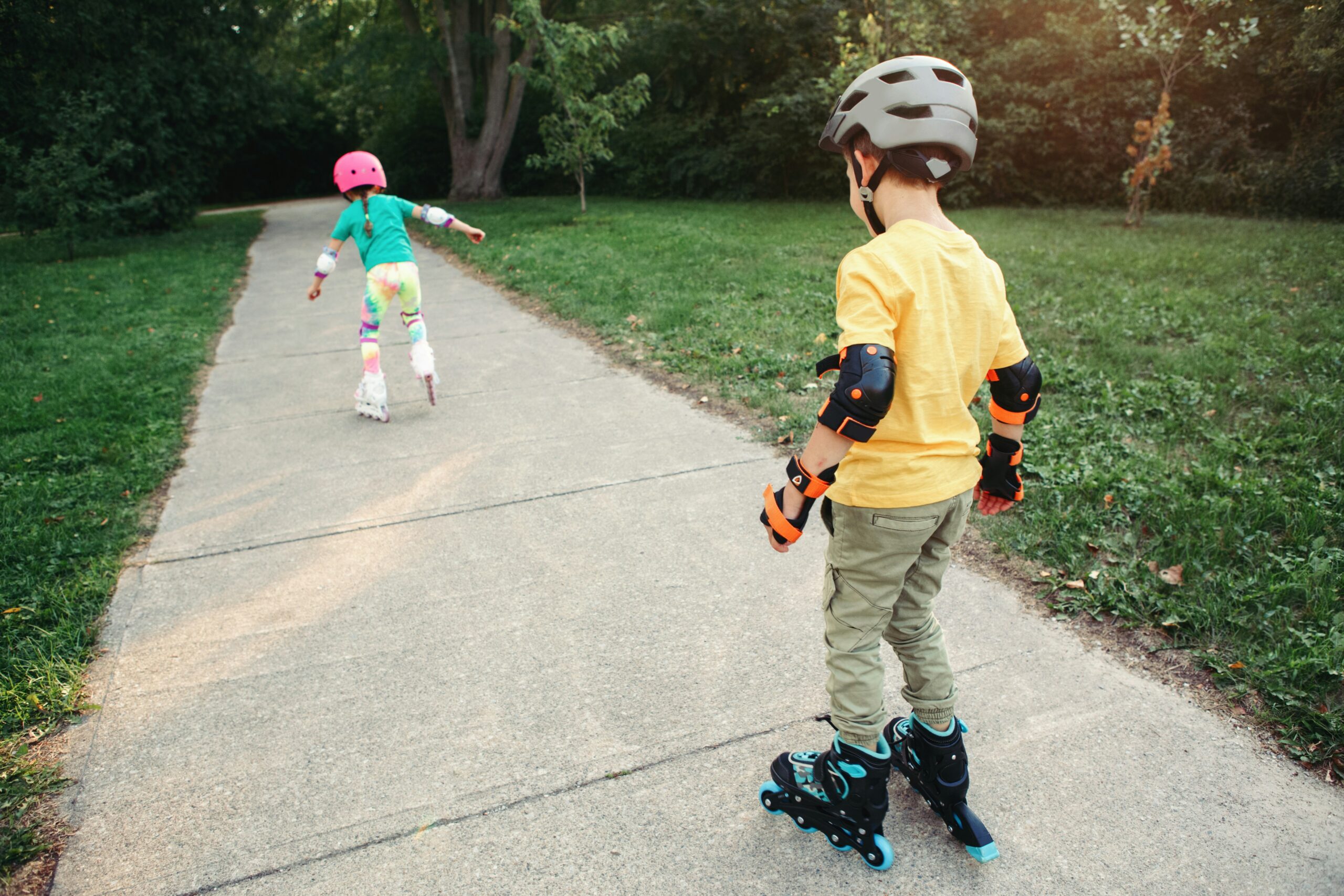
Inline skating gives kids a fun way to grow strong bodies, steady minds, and healthy friendships. As children glide across sidewalks and parks, they build balance, boost heart health, and gain confidence with every stride. This exciting activity keeps them active while also teaching focus and self-control. Parents often look for sports that support total growth, and inline skating stands out because it blends fitness, emotional strength, and social skills into one joyful experience.
Physical Benefits of Inline Skating for Kids
Inline skating naturally improves strength, balance, and coordination. As kids push off the ground, they use major muscle groups in the legs, hips, and core. Because skating requires steady control, children learn how to balance their weight and adjust their posture. Over time, this steady movement builds strong bones and flexible joints. As a result, kids develop better overall body control that helps them in other sports and daily tasks.
In addition, inline skating supports heart health and endurance. When children skate at a steady pace, their heart rate rises, which strengthens the cardiovascular system. Since skating feels like play, kids often stay active longer without feeling bored. Therefore, they burn energy, manage weight, and improve stamina while having fun. This active lifestyle lowers the risk of childhood obesity and encourages lifelong healthy habits.
Building Confidence Through Movement
Inline skating helps kids believe in their abilities. At first, many children feel unsure as they learn to balance and move forward. Yet with practice, they gain skill and control. Each small success, such as gliding without falling, builds pride. Because progress happens step by step, kids see that effort leads to improvement. This lesson carries into schoolwork and other challenges.
As children master new skating techniques, they feel brave and capable. For example, learning to turn smoothly or stop safely gives them a sense of achievement. Parents and coaches can praise effort, which further boosts self-esteem. Consequently, kids develop a growth mindset and trust their own strength. When children feel confident in physical activities, they often show more courage in social and academic settings as well.
Emotional Growth and Stress Relief
Inline skating offers a healthy outlet for stress. After a long school day, kids may feel tense or restless. When they skate, they positively release built-up energy. The smooth motion and fresh air help calm the mind. As a result, children often return home feeling relaxed and refreshed.
Physical activity also supports emotional balance. During inline skating, the body releases endorphins, which lift mood and reduce anxiety. Because kids focus on movement and rhythm, they take a break from worries. This mental reset helps them handle frustration better. Over time, regular skating builds resilience and teaches children how to cope with stress in healthy ways.
Social Skills and Team Spirit
Inline skating offers kids opportunities to connect with others. Whether they join a skating club or meet friends at the park, they share a common interest. Because they practice together, they learn to take turns, share space, and encourage one another. These shared experiences build trust and teamwork.
Group skating activities also teach communication skills. For instance, kids may plan routes, practice routines, or set simple team goals. As they work together, they listen and speak clearly. Therefore, they strengthen friendships while developing social confidence. Positive peer support makes the activity even more rewarding and keeps children motivated.
Improving Focus and Discipline
Inline skating requires attention and quick thinking. Kids must watch their path, adjust their speed, and stay aware of others nearby. Because they stay alert, they sharpen concentration skills. This improved focus often carries over into classroom tasks and homework.
Discipline also grows through regular practice. Children learn that wearing safety gear and following rules keeps them safe. As they commit to practice sessions, they understand the value of routine and responsibility. Consequently, inline skating shapes habits that support success in many areas of life.
Encouraging Outdoor Play and Healthy Habits
Inline skating motivates kids to spend more time outdoors. Instead of sitting in front of screens, they explore sidewalks, parks, and trails. Fresh air and sunlight support physical and mental health. Since skating feels exciting, children often choose it over passive activities.
This active choice builds long-term healthy habits. When kids enjoy movement, they are more likely to stay active as teens and adults. Parents can join the fun, which strengthens family bonds. As a result, inline skating becomes more than a sport; it becomes part of a healthy lifestyle.
Safety Awareness and Responsibility
Inline skating teaches kids to value safety. Before they begin, they put on helmets, knee pads, and wrist guards. Because they understand the purpose of this gear, they develop awareness of risk and prevention. This mindset helps them make smart choices in other activities as well.
As children learn safe stopping and turning techniques, they gain control over their movements. They also respect rules in shared spaces, such as yielding to pedestrians. Therefore, inline skating promotes responsibility and thoughtful behavior. These lessons stay with kids long after they leave the rink or park.
Supporting Brain Development and Coordination
Inline skating challenges the brain and the body. Kids must coordinate both sides of the body while moving forward. This cross-body movement supports brain development and improves motor skills. As a result, children often show better coordination in other physical tasks.
Because skating involves rhythm and timing, it strengthens neural connections linked to learning. When kids practice new moves, they improve memory and problem-solving skills. Therefore, inline skating supports both academic growth and physical ability in a balanced way.