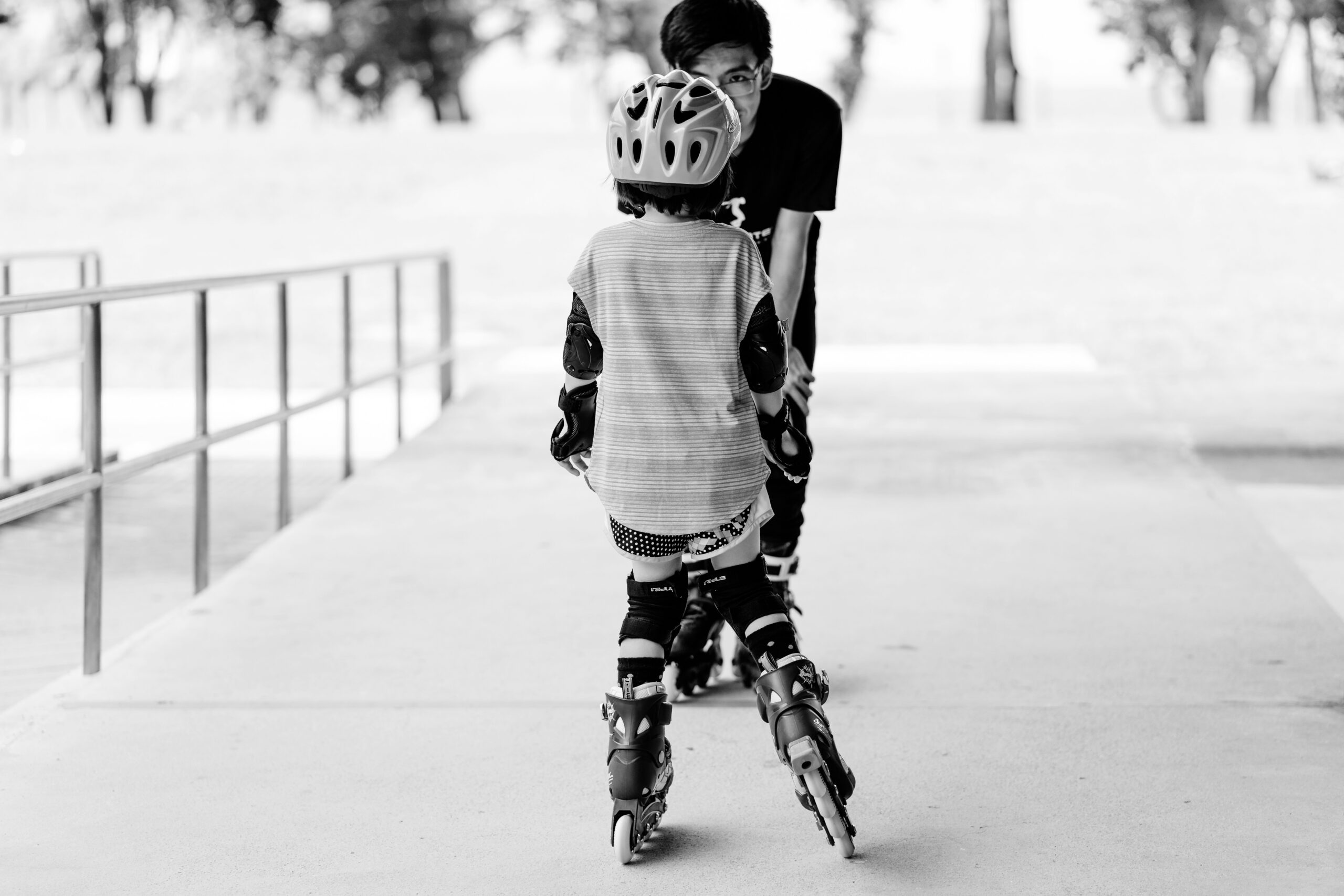
Choosing the right skating program for your child can feel overwhelming, yet it is one of the most rewarding decisions you can make for their growth. Because every child learns differently, the best skating program blends proper instruction, supportive coaching, and a safe environment. High-quality skating lessons for kids focus on building skills at a comfortable pace while encouraging confidence and enjoyment. When these elements come together, children gain skills that reach far beyond the ice. They learn discipline, balance, resilience, and confidence. As a result, parents who understand how skating programs work can make informed choices that help their children thrive today and in the future.
Understanding What Makes a Quality Skating Program for Kids
A high-quality skating program starts with structure. When a program offers a clear path for skill development, children feel more confident as they progress from one level to the next. Although every program is unique, the best ones teach balance, gliding, stopping, and turning in ways that allow kids to develop naturally. Because coaches often train in proven methods, they help young skaters learn safely while still having fun on the ice.
Parents should also consider the purpose of the skating program. Some programs focus on recreational learning, while others support skaters who want to compete. Even so, a good program will always encourage healthy habits. Coaches who understand children’s learning styles can help them enjoy every lesson, especially for beginners who may feel nervous. When kids feel supported, they stay motivated and excited to reach new goals.
Evaluating Coaching Style and Instructor Qualifications
The coach plays the most significant role in shaping your child’s experience. A skilled instructor understands how to teach skating techniques while keeping children engaged. Because kids learn best through encouragement, great coaches use positive communication. This approach helps skaters try new skills even when they feel unsure. Moreover, an experienced instructor recognizes when a child needs extra support and adjusts the lesson without creating stress.
Although personality matters, qualifications matter as well. Many of the best programs hire coaches certified by national or regional skating organizations. These instructors follow strict safety guidelines and use teaching methods proven to help kids progress. Since skating involves balance, coordination, and strength, certified coaches ensure that children develop these skills correctly. As a result, kids avoid injuries and gain confidence as they advance.
Considering Safety Measures and Facility Standards
Parents should always examine safety before enrolling in a skating program. A well-run program keeps the ice maintained, the environment clean, and the equipment in good condition. When the facility has clear safety rules, parents feel more comfortable leaving their children on the ice. Because skating requires protective gear, a good program explains how helmets, gloves, and proper skates protect growing athletes.
Facility standards matter just as much. A quality rink provides smooth ice, bright lighting, and supervision at all times. Even though children may feel excited to explore the rink, staff ensure they move safely in all directions. When a facility takes safety seriously, kids stay focused on learning rather than worrying about accidents. This allows them to enjoy skating while building trust in their environment.
Matching the Skating Program to Your Child’s Personality and Goals
Every child brings their own style, energy, and interests to the ice. Therefore, the best skating program supports your child’s goals, whether they want to skate just for fun or dream of competing in the future. A shy child, for example, might prefer a smaller class where they can learn without feeling overwhelmed. Meanwhile, a more outgoing child may enjoy larger groups that encourage social interaction.
Understanding your child’s temperament helps you select a program that nurtures their strengths. When a program aligns with a kid’s personality, they stay committed longer. Furthermore, they enjoy skating more because the environment fits their comfort level. Although goals may change over time, choosing a program that offers flexibility allows your child to grow at their own pace.
Exploring Different Types of Skating Programs
Parents often discover that skating programs come in many forms. Some focus on basic skating skills, while others prepare children for figure skating or hockey. However, all good programs start with foundational lessons that teach balance, posture, and control. These essential skills help kids feel comfortable on the ice before moving into specialized training.
As children advance, they may become curious about specific skating paths. Figure skating programs introduce jumps, spins, choreography, and artistry. Hockey programs focus on speed, agility, and teamwork. Because not every child knows what they prefer right away, a general skating program helps them explore their options. Eventually, they gain the confidence to choose the path they love most.
Looking at Class Sizes and Learning Pace
Class size directly affects how children learn. Smaller classes offer more one-on-one attention, which helps beginners feel supported. Because each child learns at a unique pace, instructors in smaller groups can adjust lessons as needed. When the coach gives clear guidance, kids feel less pressured and more willing to try new movements.
Larger classes, on the other hand, offer social benefits. Kids enjoy learning alongside peers who share their interests. Although coaching time is more evenly divided, these classes encourage teamwork, patience, and positive interaction. Since both class sizes offer advantages, parents should choose based on their child’s personality and comfort level.
Understanding Costs and Long-Term Investment
Skating programs vary in price, so parents should review costs early. Fees may include coaching, ice time, rental skates, and optional private lessons. Even though skating can be an investment, the benefits often extend beyond the sport. Children learn discipline, coordination, and persistence—all valuable life skills.
When families view costs as a long-term investment, they often find the value worthwhile. Many parents notice that their children become more confident and responsible after joining a skating program. Although expenses may increase as kids advance, the personal growth they experience often makes the journey meaningful for the entire family.
Encouraging Confidence and Enjoyment on the Ice
A great skating program teaches more than technique. It helps children believe in themselves, even when tasks feel difficult. Because learning new skills takes time, confidence grows gradually. Coaches encourage kids to celebrate small successes, which motivates them to continue. As children gain control and balance, they feel proud of their progress and excited for the next challenge.
Enjoyment is just as important as confidence. Kids learn best when they love what they are doing. When a skating program focuses on both fun and skill development, children stay excited about every lesson. They look forward to seeing friends, practicing new moves, and exploring new challenges. Therefore, choosing a program that fosters joy ensures your child’s long-term success.