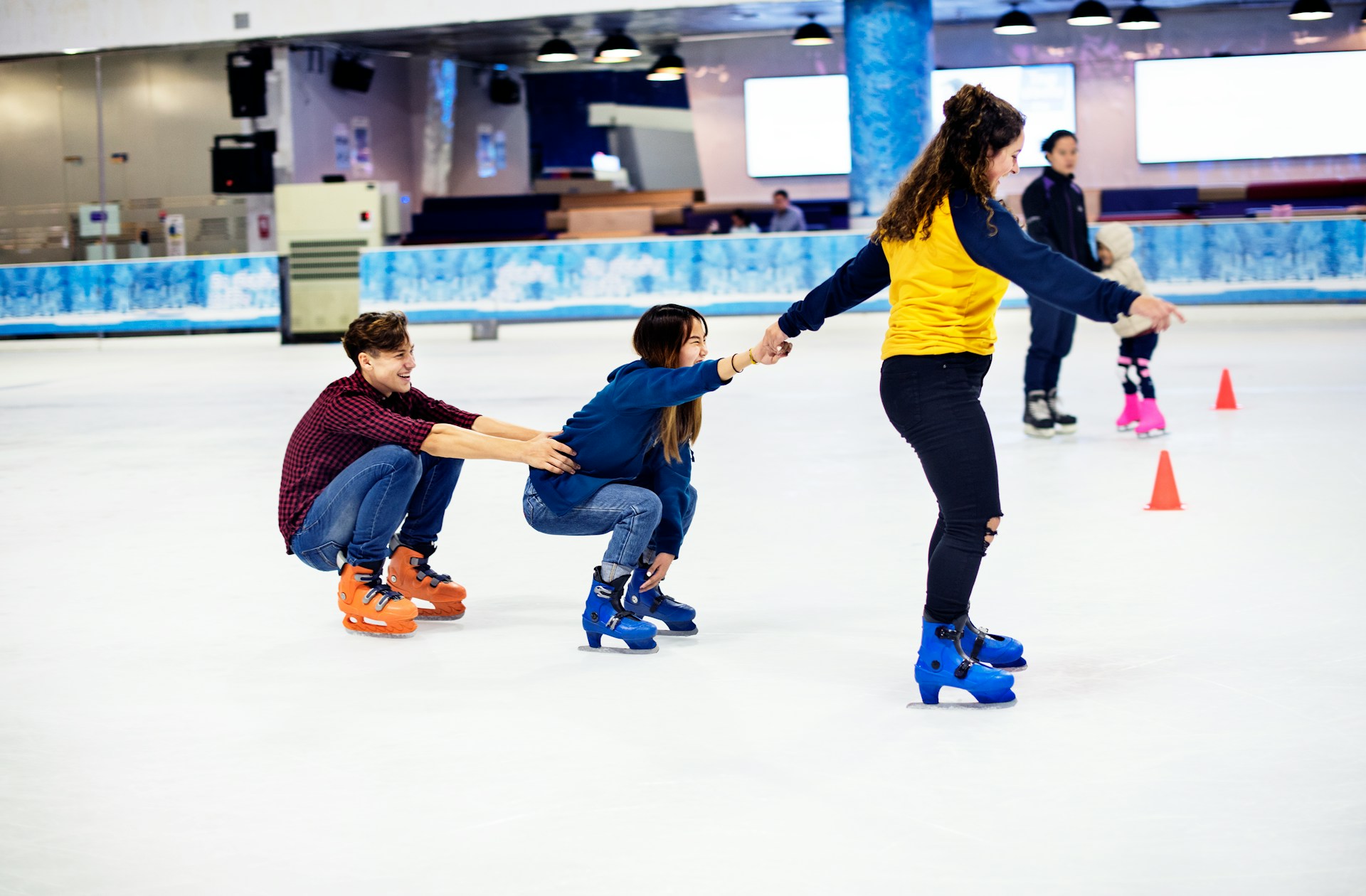
Many people think skating improvement depends only on practice time, but real progress comes from guidance that adapts to each learner’s pace and goals. That is where adaptive skating coaching makes a real difference, because it shapes lessons around the skater instead of forcing a one-size approach. As a result, beginners feel less pressure, while advanced learners continue to grow without hitting frustrating plateaus. Moreover, personalized instruction builds confidence early, which keeps motivation steady over time.
Starting Point Mindset Shift
Every skating journey begins in the mind before it shows in movement. When new learners step onto wheels, they often bring excitement mixed with hesitation. However, the right coaching approach helps them understand that progress does not need to be fast to be meaningful.
Instructors focus on calming early fears and building trust in the learning process. Therefore, skaters begin to view mistakes as part of improvement instead of failure. This mindset shift creates a strong emotional base that supports every future stage of learning.
First Movement Evaluation
Before teaching techniques, coaches observe how each skater naturally moves. They look at posture, balance habits, and comfort level on wheels. This step helps identify strengths and areas that need support.
Because every person moves differently, this evaluation prevents unnecessary frustration. Instead of forcing standard drills, instructors build a plan that matches the skater’s current ability. As a result, learners feel understood, which increases engagement and consistency from the very beginning.
Protective Readiness Setup
Safety plays a major role in building confidence during early sessions. Coaches ensure that helmets, pads, and proper footwear fit correctly so learners can focus fully on movement.
In addition, they explain why each piece of gear matters in real practice situations. This approach builds responsibility and awareness. Over time, skaters naturally develop the habit of checking their own equipment, which helps them stay safe even outside structured lessons.
Core Balance Building Phase
Once comfort increases, training shifts toward balance control and body awareness. Simple movements help learners understand how weight shifts affect direction and stability. These early exercises may seem basic, but they form the foundation of every advanced skill.
As learners progress, instructors introduce rhythm-based drills that improve coordination. This stage often includes skill progression training, which breaks complex movements into smaller, manageable steps. Consequently, students build confidence through steady, visible improvement rather than sudden jumps.
Guided Space Practice Routine
Controlled environments play an important role in reducing distractions and building focus. Smooth surfaces allow skaters to concentrate on technique without worrying about obstacles or uneven ground.
During this phase, instructors guide learners through repeated practice cycles. Moreover, they adjust feedback in real time so improvements happen faster. Over time, skaters begin to recognize their own patterns, which helps them self-correct even when the coach is not directly guiding every movement.
Technique Strength Development
After mastering basic control, learners move into refining specific skills. This includes improving turns, stopping techniques, and speed management. Coaches break down each movement so skaters can understand both the “how” and the “why.”
At this stage, consistency becomes more important than speed. Therefore, learners practice slowly and deliberately to build muscle memory. As confidence grows, movements become smoother, and hesitation begins to disappear naturally.
Group Confidence Interaction
Learning in a shared environment adds motivation and emotional support. Skaters observe others at similar levels, which helps them feel less isolated in their challenges.
In many programs, group sessions encourage friendly feedback and shared progress tracking. This social structure improves communication skills and builds confidence in public settings. Additionally, learners often push themselves further when they see peers achieving new milestones, which strengthens overall commitment.
Personal Growth Completion Stage
At the final stage, learners transition from structured guidance to independent movement with confidence. This is where long-term skills and personal style begin to take shape. In this phase, individual skating mentorship becomes essential because it focuses on refining unique strengths rather than teaching basic patterns.
Coaches now help skaters polish advanced techniques while encouraging independence. As a result, learners start making decisions on their own during movement, which shows true mastery. Furthermore, they gain the ability to adapt to new environments without hesitation, proving that their training has become deeply internalized.
In the second part of this stage, skaters focus on consistency and flow. They no longer think about each step consciously, because movement becomes natural and automatic. Consequently, confidence reaches a stable level that supports both recreational enjoyment and advanced performance goals.